Unicorn Dancing: A Playful Embroidery Design for Real Projects
As an embroidery designer with years of experience, I’m always looking for designs that bring joy and versatility to my projects. When I first saw Unicorn Dancing, I knew it had potential — but also needed a closer look from the perspective of real-world use. This isn’t just about how it looks in a digital preview; it’s about how it will stitch on fabric, hold up after washing, and resonate with customers.
First Impressions and Visual Personality
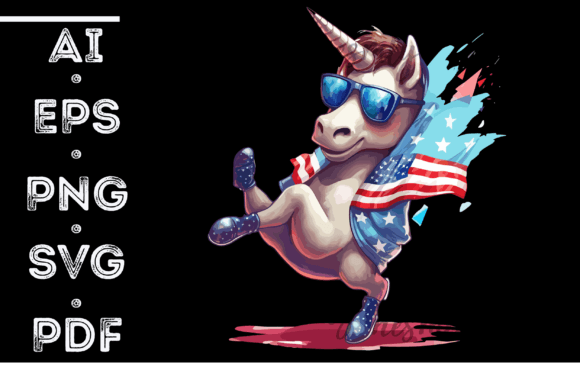
Unicorn Dancing has a whimsical charm that immediately catches the eye. The unicorn is depicted mid-motion, its tail swirling and hooves light, giving off a sense of magic and playfulness. The design uses soft curves and flowing lines, which are generally easier to stitch without distortion. It’s not overly complex, but it does have enough detail to stand out in a sea of simpler motifs. The color palette is bright yet balanced, making it suitable for both kids’ items and nostalgic adult gifts.
This kind of visual personality works well in a variety of settings — think boutique branding, holiday gifts, or even wedding cards. It doesn’t scream boldness, but it invites warmth and creativity. As someone who curates designs for Etsy sellers and small craft businesses, I appreciate that it can adapt to different themes while still maintaining its core identity as a fun, magical illustration.
Custom Apparel and Tote Bags
I recently tested Unicorn Dancing on a custom sweatshirt and a cotton tote bag. On the sweatshirt, the design stitched beautifully over a light-colored fleece, where the satin stitches defined the outline of the unicorn and the fill stitches gave the body a soft, plush texture. The movement in the design translated well into the garment, especially when placed on the back or front lower third. For the tote, the placement was more versatile, and the design added a unique touch to a reusable shopping bag aimed at younger audiences.
Baby Clothes and Kids’ Items
Embroidering baby clothes requires precision and care, and Unicorn Dancing handled that well. When stitched onto a onesie using a medium-weight cotton blend, the details remained clear and the colors popped without overwhelming the simplicity of the garment. The unicorn’s expressive face and flowing mane worked particularly well here, adding a sense of innocence and fantasy. I imagine this design being popular during birthdays or holidays — it’s charming and gender-neutral, which is a big plus for parents.
Patches and Decorative Accents
For embroidered patches, Unicorn Dancing is a solid choice. The shape is compact enough to be manageable on smaller hoops, and the layout allows for easy trimming around the edges. I’d suggest using a strong stabilizer underneath to maintain the integrity of the fine details. Whether sewn onto a backpack, denim jacket, or felt patch for a DIY project, it adds a pop of character without becoming too busy.
Commercial and Branding Applications
If you’re running a craft business or selling handmade products online, this design could become a staple in your collection. It fits naturally into design assets like greeting cards, mugs, and stickers — especially if your brand leans toward playful, imaginative themes. The file format seems standard (assuming it's compatible with common embroidery machines), so it should integrate smoothly into most workflows. That said, if you plan to sell finished products or digital files, make sure to confirm the licensing terms before listing them on platforms like Etsy.
Where to Use With Caution
While Unicorn Dancing is versatile, there are a few situations where it might require extra attention:
- Small hoop sizes: The design includes some intricate elements, like the facial expressions and hoof prints, which may get lost or distorted if not given enough space.
- Textured fabrics: Materials like canvas or flannel could affect stitch clarity, especially in the finer areas of the unicorn’s features.
- Thin or stretchy fabric: Delicate materials may show through the stitching or cause the design to pucker if the stitch density isn't adjusted properly.
- Dark fabric backgrounds: The thread colors provided may not contrast well against darker bases. Always test on similar material before finalizing a product.
- Curved surfaces: Embroidering on caps or curved garments could lead to stretching or misalignment if not carefully managed with proper tension and stabilizer.
- Densely packed stitch areas: If the unicorn is surrounded by other patterns or text, the overall design might lose focus. Give it breathing room to let it shine.
These aren’t deal-breakers, but they do highlight the importance of thoughtful application. Every embroidery project is unique, and what works on one surface may need tweaking for another.
Design Impact and Customer Appeal
The magic of Unicorn Dancing lies in its ability to elevate a product’s visual appeal without overpowering it. It brings a sense of lightheartedness and imagination that many customers respond to, especially in personalized gifts and handmade items. In a world where people are constantly looking for something memorable, this design helps create that “special something” that makes a gift feel tailored and thoughtful.
From a professional standpoint, the design supports brand consistency. If your shop focuses on fantasy-themed or whimsical merchandise, this illustration can become part of a cohesive lineup. Its presence in printable mockups or digital embroidery files gives buyers a clear idea of how the finished product will look — boosting buyer engagement and reducing returns.
Designer Notes and Best Practices
Here are some practical tips for working with Unicorn Dancing in your next embroidery project:
- Test on scrap fabric: Before committing to a client order or batch production, try stitching it on a sample of your intended material.
- Check thread color contrast: Especially important for dark or patterned fabrics. You might need to adjust colors for better visibility.
- Review stitch density: Areas like the mane or tail may benefit from slightly looser or tighter stitching depending on the fabric weight.
- Confirm hoop size: While not specified, ensure the design fits comfortably within the recommended hoop dimensions for your machine.
- Inspect small details: Look closely at facial expressions and delicate outlines post-stitching to catch any missed nuances.
- Try black and white mockups: See how the design translates without color bias, especially for monochrome collections or minimalist aesthetics.
- Compare light and dark fabric backgrounds: This helps determine whether the thread colors remain visible and appealing across all options.
- Use proper stabilizer: Especially on stretchy or thin materials. A tear-away or cut-away stabilizer can make a big difference in quality.
- Confirm commercial usage rights: If you're planning to sell finished products or digital embroidery files, always double-check the license terms.
Final Thoughts for Craft Businesses and Makers
Unicorn Dancing is a design that balances charm and functionality. It’s not just a pretty graphic — it’s a machine embroidery design that has been thoughtfully crafted for real-life applications. Whether you’re creating a custom apron for a local bakery or designing a line of sweatshirt embroidery for a children’s boutique, this illustration has the potential to enhance your product’s value and customer connection.
Its subtle elegance and vibrant energy make it a good fit for both personal and commercial embroidery projects. Just remember to approach each application with care — test it out, consider your materials, and give it the space it needs to breathe. When done right, Unicorn Dancing becomes more than just an image — it becomes a meaningful part of the story behind your handmade product.