Halloween Horror Tree Sublimation: A Designer’s Practical Review
As a designer and embroidery product reviewer with years of experience in creating custom apparel, I always approach new designs with a critical eye. The Halloween Horror Tree Sublimation caught my attention for its thematic depth and visual intrigue. Let me walk you through how this design would perform in real-life embroidery projects and what considerations are essential before stitching it into your next handmade or commercial item.
First Impressions: Mood and Visual Personality
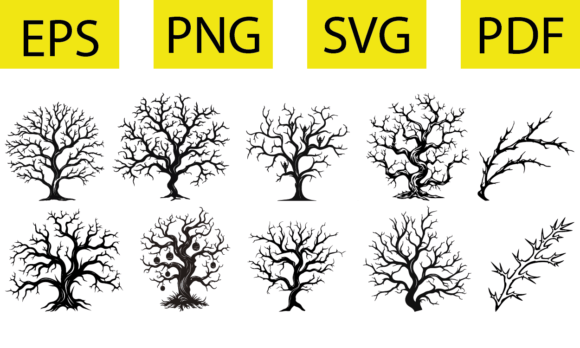
The moment I opened the digital embroidery file, I was struck by the eerie yet captivating aura of the Halloween Horror Tree. It's not just another spooky illustration; it has character — gnarled branches, shadowy textures, and an unsettling atmosphere that immediately evokes autumn horror. The layout is balanced enough to work well as a central motif but also feels like it could be part of a larger illustrations collection. As a Halloween-themed graphics set, it brings a sense of authenticity that many generic designs lack.
What stands out is the detail level. While it doesn't overwhelm with tiny elements, it uses contrast and negative space effectively. This makes it ideal for custom apparel where visual storytelling matters. For crafters and Etsy sellers, this kind of personality can help differentiate their products in a crowded market.
Real-World Use Cases and Project Suitability
Let’s say I’m preparing a sweatshirt embroidery for a boutique line of seasonal wear. The Halloween Horror Tree would make a compelling feature on the back of a hoodie or across the chest of a long-sleeve shirt. Its shape allows for both vertical and horizontal placement, which is great for versatility. The tree’s silhouette works particularly well with satin stitch along the main trunk and branches, while the leaves can be rendered using a mix of fill stitch and running stitch for texture.
I see this design fitting naturally on tote bag design projects too. Whether it's a promotional piece for a local coffee shop or a personalized gift for a fan of gothic aesthetics, the tree adds a touch of sophistication to everyday items. On aprons or pillow covers, the design can serve as a decorative focal point without being too overpowering.
For embroidered patch applications, especially those intended for jackets or denim, the Halloween Horror Tree would add a dramatic flair. But here, the scale becomes crucial. If the patch is meant to be subtle, consider resizing the design or simplifying some of the details. The same applies to baby clothes — while it's a holiday embroidery design, it might need toning down for a more whimsical take rather than a full-on horror vibe.
Where to Use with Caution
While the Halloween Horror Tree Sublimation is visually strong, there are several situations where extra care is needed:
- Small hoop sizes: The design’s complexity may require a larger hoop to maintain clarity and avoid distortion.
- Textured fabrics: Stitching on canvas, denim, or corduroy could affect the overall sharpness of the image. Always test on fabric first.
- Thin or stretchy materials: These can cause the design to pucker or lose definition, especially in dense stitch areas.
- Dark fabric backgrounds: The contrast between the design and the fabric needs to be carefully considered. Some colors may not pop as expected.
- Curved surfaces like caps or hats: Distortion is likely unless the design is specifically optimized for such use.
- Frequent washing: For items like tea towels or kids’ clothing, ensure the stabilizer used is suitable for durability over time.
In short, this isn’t a one-size-fits-all design. Its aesthetic power comes with responsibility — knowing when and how to apply it will determine its success.
Impact on Product Value and Customer Engagement
When done right, the Halloween Horror Tree elevates the handmade product significantly. It adds a professional finish that customers notice and appreciate. In a craft business, this kind of detail helps justify higher pricing and builds customer trust. Buyers know they’re getting something unique, not mass-produced.
From a branding perspective, the design contributes to brand consistency if your niche leans toward fantasy, horror, or seasonal themes. For small shop product lines, it offers a cohesive look that can be reused across different items, helping with recognition and repeat sales.
As an embroidery project idea, it's also highly giftable. Think about holiday gifts, personalized home décor, or even nursery decor with a twist. The key is understanding your audience and ensuring the mood matches their expectations.
Designer Notes: Best Practices Before Embroidering
Before integrating the Halloween Horror Tree into your next project, consider these practical steps:
- Test on scrap fabric: Especially if you're planning to use it on anything beyond basic cotton blends.
- Check thread color contrast: The provided files support various color schemes, but it’s important to ensure visibility against your chosen background.
- Review stitch density: Dense areas may lead to puckering or fraying. Adjust accordingly based on fabric type.
- Confirm hoop size: If you’re working within tight constraints, this design may need scaling or sectioning.
- Inspect small details: Look at the subtleties in the tree’s bark and leaf patterns. They might get lost on certain textiles.
- Try black and white mockups: This helps visualize how the design holds up without color bias.
- Compare light and dark fabric backgrounds: You’ll want to know if it looks good on both sides of the spectrum.
- Use proper stabilizer: Especially for delicate or stretchy materials. Backing or tear-away types vary depending on the final use.
- Verify licensing terms: Since this is a commercial embroidery asset, confirm whether it’s safe to sell finished goods or digital products.
These steps are essential for any creative entrepreneur or apparel decorator aiming to deliver quality and consistency in their finished product.
Final Thoughts from the Design Table
The Halloween Horror Tree Sublimation is a strong contender for fall collections and themed merchandise. Its machine embroidery design format — including EPS, SVG, PNG, and PDF — gives designers flexibility for print-to-embroidery workflows or standalone digital assets. That said, it’s not just about having the file; it’s about knowing how to adapt it to your specific embroidery project and customer base.
If you're an Embroidery designer looking to create something memorable for a craft fair product line or a handmade shop owner wanting to boost your holiday gift offerings, this design can do wonders when approached thoughtfully. It’s a balance of artistry and technical execution, and that’s exactly what sets apart a great design from a merely functional one.
Remember, the devil (or ghost) is in the details. Take the time to test, adjust, and understand the nuances of the Halloween Horror Tree before committing it to your small business merchandise. When done right, it can become a signature element of your brand — a design asset that stands out in the right way.