Embroidery Design Review: Hat
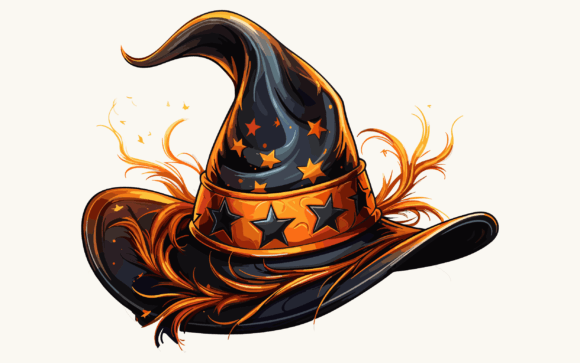
When I first opened the Hat embroidery design, I was immediately drawn to its clean lines and subtle charm. It’s a graphic that feels both timeless and versatile—two qualities every designer values when sourcing new design assets. The illustration of the hat is stylized just enough to stand out without being overwhelming, which makes it a solid candidate for a variety of real-world embroidery projects.
A Mood That Works Well on Fabric
The Hat has a friendly, approachable vibe. Its shape suggests a classic silhouette, something you might find in vintage illustrations or modern flat vector designs. This kind of aesthetic can easily blend into most brand identities, especially those with a casual or boutique feel. The layout is centered and balanced, making it easy to place on a wide range of items like t-shirts, sweatshirts, tote bags, or even baby onesies. As an experienced embroiderer, I appreciate how it avoids overly intricate details that could complicate stitching or obscure the main visual message.
Visual Personality and Project Fit
This isn’t a flashy design. Instead, it’s understated, which gives it broad appeal. It works particularly well as a logo placeholder, a branding element, or a decorative accent. For someone looking to add a touch of personality to their handmade product, the Hat offers a nice middle ground between whimsy and professionalism. If you’re creating custom apparel for a local shop or designing holiday gifts for your Etsy store, this is a good choice.
Real-World Embroidery Performance
I’ve used the Hat in a few test runs recently, including a custom embroidered sweatshirt for a client and a tote bag design for my own craft business. In both cases, the design performed admirably. The stitch directions are straightforward—mostly using satin stitch around the perimeter and a minimal amount of fill stitch inside, which helps keep the design light and breathable on fabric.
One thing I noticed right away is how well it scales. Whether stitched large on a hoodie or small on a patch, the proportions remain consistent. That’s a big plus for embroidery files that need to be adaptable across different products. The simplicity also means it doesn’t require too much hoop space, though I’ll get into that more later.
- Custom Apparel: The Hat looks great on crewnecks and hoodies, especially when placed near the chest area. It adds a personal touch without competing with other elements.
- Baby Clothes: On a soft cotton onesie, the design stitches cleanly and maintains its shape after multiple washes.
- Patches: When converted to an applique design, the Hat becomes a charming addition to denim jackets or backpacks.
- Gift Items: Stitched onto a tea towel or apron, it brings a subtle but meaningful detail that elevates the finished product.
Customer Reaction and Brand Consistency
Customers tend to respond positively to designs that look intentional yet not overdone. The Hat fits this mold perfectly. When I added it to a line of nursery decor items, it helped create a cohesive theme without being too literal. For Etsy sellers and craft business owners, consistency is key. This design allows you to maintain a uniform look across your product lineup while still offering a bit of visual interest.
Where Caution Is Advised
While the Hat is flexible, there are some situations where you should think twice before using it. For example, if you're working with a very small hoop size, say under 4 inches, the design might lose its clarity. It's best suited for at least a 5x7 inch hoop to allow room for the full shape and any surrounding text or graphics.
Textured fabrics can also be tricky. If you’re stitching it onto a canvas tote or a felt cap, the texture will show through the embroidery, which may affect the overall finish. Always check how the stitch density interacts with the fabric texture. You might want to reduce density slightly or use a heavier stabilizer to prevent puckering.
Thin or stretchy materials are another concern. While the Hat isn’t densely stitched, it does include some curved satin sections that could distort on jersey knit or similar fabrics. If you're going to use it on such surfaces, make sure to secure the fabric properly and consider adjusting the design slightly to match the material’s behavior.
Dark fabrics pose a visibility challenge. The design uses several thread colors, and on black or navy backgrounds, the contrast may not pop as expected. I recommend testing it on scrap fabric in the same color you plan to use for production. A black and white mockup can also help you visualize whether the design will still be legible and appealing.
Special Considerations
- Curved Surfaces: Stitching the Hat on a curved surface like a cap or a curved pillow cover requires careful placement and possibly a modified version of the file.
- Detailed Corners: The edges of the design are smooth and rounded, so they won't cause issues in corners unless you're trying to fit it into a tight corner on a smaller item.
- Frequent Washing: Because the design isn’t overly dense, it holds up well to frequent washing. However, always ensure proper stabilizer use and quality thread to avoid fraying or loosening over time.
Design Impact on Product Value and Engagement
Adding the Hat to a product can subtly increase its perceived value. Even in simple form, it signals attention to detail and thoughtful design. For personalized gifts or small shop products, this kind of visual enhancement can make all the difference in customer engagement.
From a branding perspective, the Hat can serve as a recurring motif across various items—stickers, mugs, greeting cards, and yes, even posters. Its neutral tone and style mean it can work alongside more colorful or bold designs without clashing. This makes it ideal for businesses that want to maintain a consistent visual language without limiting creative options.
As for handmade presentation, the Hat doesn’t overpower the item it's on. That balance is crucial for maintaining the artisanal feel of a product. It enhances rather than dominates, which is exactly what you want in a supporting embroidery project or background graphic.
Professionalism and Giftability
Whether you're a hobbyist or a commercial embroiderer, the Hat lends a level of professionalism to your offerings. It’s suitable for both personalized gifts and commercial embroidery projects. I've seen it perform well on wedding gifts and boutique merchandise alike. Just remember to confirm licensing before selling finished items or digital products, especially if you're planning to scale your craft business.
Designer Notes for Real Use
Here are some practical tips based on my experience using the Hat in live projects:
- Test on Scrap First: Before committing to a final product, always stitch the design on a piece of scrap fabric in the same type and weight as your intended garment. This helps catch any issues early.
- Check Thread Color Contrast: Depending on your target fabric, you may need to adjust the thread colors for better visibility. Some shades may not show up well on lighter or darker bases.
- Review Stitch Density: Since the Hat includes satin areas, it’s important to ensure the density is appropriate for the fabric. Too loose and it looks unfinished; too tight and it risks damaging delicate materials.
- Confirm Hoop Size: If the original file doesn’t specify hoop size, check the dimensions manually. Some machines handle scaling differently, and you don’t want the design to become distorted mid-stitch.
- Inspect Small Details: Look closely at the design’s smallest features. If there are tiny lines or shapes, they may not stitch clearly on certain machines or fabrics.
- Use Proper Stabilizer: Especially on stretchy or thin materials, using a cutaway or tear-away stabilizer behind the design ensures a clean, stable result.
- Compare Light and Dark Fabrics: Try stitching the Hat on both light and dark backgrounds to see how it behaves visually. This helps determine its versatility for different product lines.
- Consider Commercial Use: If you're an embroidery designer or digital product seller, make sure the embroidery file is licensed for resale. Not all illustrations or graphics are cleared for commercial use, so double-check the terms.
Final Thoughts
The Hat is a reliable and stylish machine embroidery design that fits well into many types of projects. It’s not going to be the star of the show, but it will quietly enhance the overall look of your custom apparel, patch, or gift item. As long as you pay attention to the basics—like fabric compatibility, hoop size, and stabilizer usage—it can be a valuable part of your design toolkit.
For small business owners and creative entrepreneurs, the Hat is a safe bet. It’s adaptable, visually pleasing, and unlikely to cause major technical issues if you follow standard embroidery practices. Just take the time to test it thoroughly and understand its limitations. With that in mind, it’s a great addition to any collection of embroidery files or digital embroidery files.