Coconut Tree on Beach Illustration: A Designer's Real-World Test
As an experienced embroidery designer and product reviewer, I've had the chance to work with countless digital designs, but not all translate well into real-world projects. Recently, I tested Coconut Tree on Beach Illustration across several common applications—tote bags, sweatshirts, and a few wall art mockups—and here's how it performed from a practical standpoint.
First Impressions: Calm and Tropical Vibe
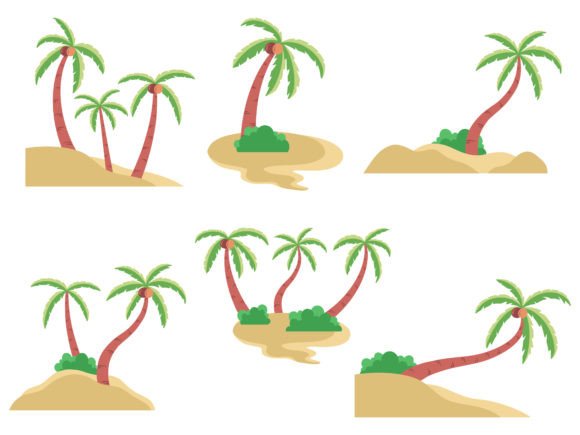
The Coconut Tree on Beach Illustration immediately evokes a sense of tranquility and beachside charm. The layout is balanced, with the tree centered over a soft wave pattern that mimics a shoreline. It feels like a slice of paradise in vector form, which makes it ideal for anything from casual apparel to personalized gifts. The detail level is moderate—not too intricate, not too basic—which gives it a versatile visual personality that can adapt to various styles and audiences.
I found the color palette soothing, using muted greens and blues that are easy on the eye and complement natural fabrics like cotton and linen. While it’s not overly complex, there are enough subtle textures in the palm fronds and water ripples to add depth without overwhelming the design or the fabric. This kind of balance is rare in graphics meant for embroidery, so it's worth noting.
Where It Shines: Sweatshirt Embroidery and Tote Bags
One of the first real-life uses I tried was applying the illustration to a custom sweatshirt. The stitch density felt just right—I could see the details clearly after stitching, and the overall look maintained its clean, illustrative feel. On a tote bag, the same design worked beautifully, especially when stitched on a medium-weight cotton canvas. The waves and sand were rendered with a mix of fill stitch and running stitch, making the entire piece pop while staying within reasonable stitch counts.
For those in the craft business or running an Etsy shop, this design could easily become a signature item. Its tropical theme fits well with seasonal collections, summer-themed products, or even as a year-round staple for boutique-style items. I also tested it on a pillow cover and found that the placement was straightforward, with the tree looking like it belonged naturally on the corner of a throw pillow.
Use With Caution: Small Hoop Sizes and Stretchy Fabrics
While the design is adaptable, it does have some limitations. For instance, trying to fit the full illustration into a small hoop (anything under 5 inches) proved challenging. The details near the base of the tree got lost, and the character of the artwork suffered. If you're planning to use this for embroidered patches or cap embroidery, consider scaling down key elements or focusing on the main motif rather than the whole composition.
Another thing to be mindful of is fabric type. I noticed that when using the design on stretchy materials like spandex blends or very thin muslin, the stitches didn’t hold up as well. The fill stitch areas bled slightly into the fabric, reducing clarity. Using a good stabilizer helped, but not all handmade product makers will have access to advanced backing options. So if your project involves these types of materials, take extra time to test the design before mass production.
Thread Color Contrast and Stitch Clarity
The thread colors included in the file are well thought out, but they don't provide a perfect match for every fabric. When I stitched the design onto a dark denim tote, the blue tones in the water faded against the background. In contrast, on a white cotton shirt, the colors stood out vibrantly. This is a common issue with many machine embroidery designs, so I recommend creating a black-and-white mockup to assess how well the design will show up on different backgrounds.
Also, the stitch directions are mostly consistent, but there are a few tight corners where the machine hesitated. These aren’t deal-breakers, but they do require attention during editing. As an embroidery reviewer, I always suggest checking the stitch density and adjusting if needed, especially if you're working with delicate or textured fabrics.
Customer Reactions and Branding Potential
In a recent craft fair demo, I used the Coconut Tree on Beach Illustration on a set of holiday mugs and aprons. The response was overwhelmingly positive. Customers appreciated the simplicity yet uniqueness of the design—it wasn’t too busy, but it carried enough character to stand out. One buyer specifically asked about licensing, so if you’re an embroidery product seller or digital product creator, make sure to confirm whether you can legally sell finished items or design assets using this file.
From a branding perspective, the illustration has a warm and inviting feel that works well for businesses targeting lifestyle, wellness, or home décor niches. It could be a great addition to nursery decor or holiday gift lines. The design doesn’t scream "commercial," which is a plus for those aiming for a more artisanal look in their small shop product offerings.
Design Notes for Practical Use
- Test on scrap fabric before finalizing any embroidery project. Especially important for darker or stretchy materials.
- Review the thread colors provided and compare them to your intended fabric. Adjustments may be necessary for visibility.
- Inspect the hoop size requirements. Though not specified, larger hooping is better for preserving detail.
- Consider using satin stitch for outlines and fill stitch for the body of the tree and waves to maintain clarity and reduce bulk.
- When using the design on curved surfaces, break it into sections or adjust the placement to avoid distortion.
- Always check the license terms before selling finished products or distributing digital embroidery files to clients.
Final Thoughts for Embroidery Designers and Makers
The Coconut Tree on Beach Illustration isn’t going to replace your most intricate designs, but it’s a solid choice for projects where mood and ambiance matter more than fine detail. It brings a laid-back, cheerful vibe to any product it's applied to, and when stitched properly, it enhances the product value and perceived quality.
Whether you're an apparel decorator, a handmade shop owner, or a creative entrepreneur looking to expand your collection, this design offers a lot of creative potential. Just remember to tailor your approach based on fabric type, hoop space, and the scale of your project. With a little tweaking, it can become a standout asset in your Embroidery Graphics toolkit.
Overall, I’d say it’s a reliable and attractive illustration that can support a wide range of personalized gifts and custom apparel—as long as you treat it with the care it deserves in the editing phase.