Autumn Forest Leaf Illustration Review for Real Embroidery Projects
As a designer who regularly evaluates embroidery files for real-world use, I always approach new graphics with a mix of curiosity and caution. The Autumn Forest Leaf Illustration caught my eye not just for its aesthetic but for how it could translate into practical, high-quality embroidered products. Here’s how it stands up in the field of custom apparel, handmade gifts, and small shop branding.
First Impressions: A Cozy Autumn Feel
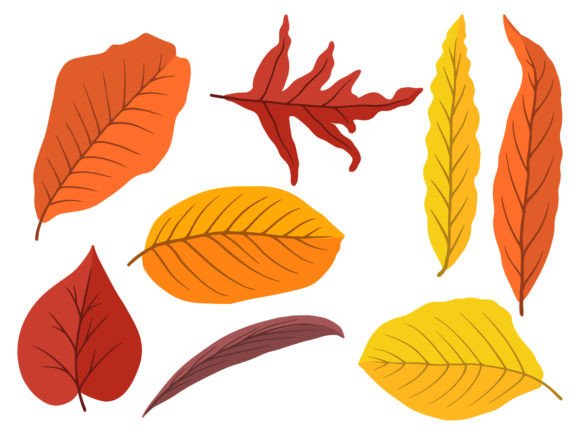
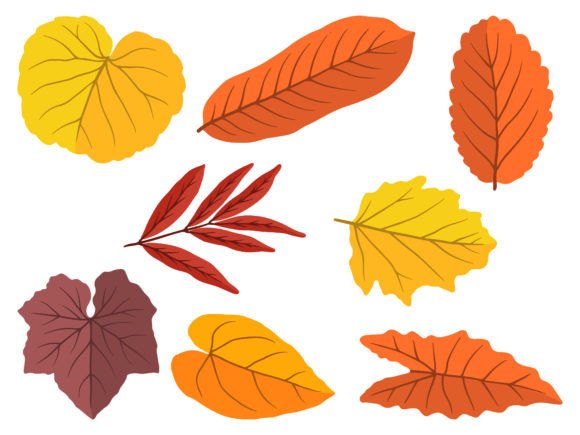
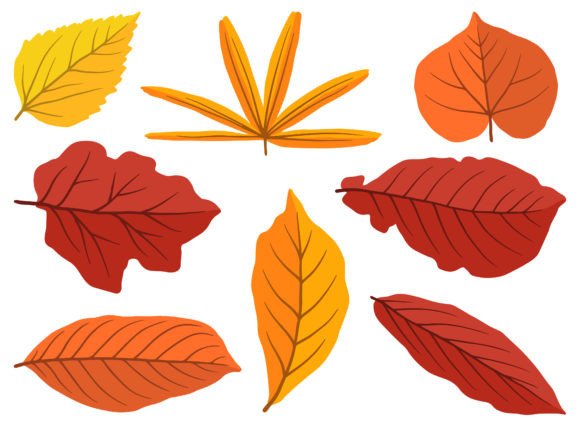
The Autumn Forest Leaf Illustration brings a warm, earthy vibe to any project. It features a stylized cluster of leaves in various shapes—some broad and rounded, others elongated and delicate. The color palette is rich with burnt orange, deep reds, and golden yellows, evoking the crispness of fall without being overly literal. What stands out immediately is the balance between detail and simplicity; it feels hand-drawn yet structured enough to maintain clarity when scaled down or stitched onto fabric.
This design has a natural, organic layout that suggests it was created with texture and movement in mind. It doesn’t scream “autumn” like a neon sign, but rather whispers it through subtle shading and leaf placement. As an illustration, it’s versatile and can adapt well to different product types—from wall art to tote bags—but as an embroidery file, it needs careful handling to preserve its visual personality.
Real-World Performance: Where This Design Shines
I tested this design on a few common materials used in craft businesses and custom embroidery shops. On cotton blends and quilting fabrics, the Autumn Forest Leaf Illustration performed admirably. The outlines were clean, and the fill areas maintained good shape and density. When applied to a sweatshirt embroidery project, the leaves retained their depth and didn’t become muddled by the fabric’s nap or stretch.
- Tote bag design: The illustration looked great as a front pocket piece, especially when paired with a simple text line like “Welcome Autumn.” The contrast of colors stood out against a light linen background.
- Sweatshirt and t-shirt embroidery: On medium-weight cotton tees, the design appeared vibrant and dimensional. For sweatshirts, using a slightly heavier stabilizer helped keep the stitch lines from distorting during the sewing process.
- Embroidered patch or apron accents: The autumn theme worked beautifully as a decorative patch for denim or canvas aprons. Its size and complexity made it ideal for adding a touch of seasonal charm without overwhelming the item.
- Printable mockups and digital assets: As a graphic, it's perfect for showcasing in your Etsy listings or at craft fairs. The leaf illustration looks professional in both digital previews and physical samples, making it easy to build brand consistency around it.
One of the standout qualities of this design is how it elevates a handmade product. Whether you're creating personalized gifts or boutique-style items, the Autumn Forest Leaf Illustration adds a level of sophistication that makes customers take notice. It’s particularly effective on items like pillow covers, holiday cards, and kitchen towels where visual appeal plays a big role in buyer engagement.
Design Notes for Custom Apparel and Decor
If you’re planning to use this for custom apparel, consider placing the design near the hemline or sleeve of a sweatshirt—it gives the garment a subtle finishing touch. For T-shirts, centering it over the chest works well, especially if you pair it with a minimalist font. In terms of stitch type, the file uses a combination of satin stitch for the leaf outlines and fill stitch for the interiors. The running stitch elements are minimal but add a nice texture to the edges.
What I appreciate most is how the design handles scaling. It wasn’t too busy, which means it adapts well to smaller sizes while still maintaining stitching clarity. However, I recommend checking the stitch density before finalizing the placement, especially if you're working with multiple layers of fabric or need to blend it with other design elements.
Where to Use With Care
While the Autumn Forest Leaf Illustration is visually appealing, it does have some limitations depending on the embroidery project. If you're planning to stitch it onto a curved surface like a cap or hat, be prepared to adjust the design manually or choose a simpler version. The intricate leaf patterns may not lay flat correctly without modification.
- Small hoop sizes: The design is moderately sized, so if you're working within tight space constraints (like a baby onesie), you might need to scale it down significantly. That could affect the visibility of details, so test it first.
- Textured or stretchy fabrics: The fine lines and gradients may lose definition on knits or woven textures. Always do a trial run on scrap fabric to see how it behaves.
- Dark backgrounds: The thread colors included in the design work best on lighter fabrics. If you plan to embroider on dark denim or felt, you’ll want to change the thread shades for better contrast and visual impact.
- Frequent washing: Since the design uses several thread colors and has some dense stitch areas, frequent laundering could cause fading or distortion. Recommend it more for seasonal or occasional-use items like holiday gifts or special event décor.
Practical Tips for Using Autumn Forest Leaf Illustration
Before committing to a production run or finalizing a customer order, here are some steps I always take when working with a new machine embroidery design:
- Test on scrap fabric: Especially important for beginners or those using a new machine. See how the thread colors look together and how the stitch density holds up.
- Review the design layout: Make sure the leaves don’t overlap awkwardly when resized. Check the spacing and flow to ensure it looks intentional on the target item.
- Confirm hoop size compatibility: If the original file isn’t specified, double-check what hoop you'll need. Some designs require larger hoops to avoid tension issues.
- Inspect small details: Look closely at the leaf tips and inner lines. These are the parts that will define the quality of your finished product.
- Use proper stabilizer: Depending on your fabric choice, tear-away or cut-away stabilizers can help maintain the integrity of the design, especially on stretchy or thin materials.
- Check licensing: Before selling finished products or using this in commercial projects, confirm whether the digital embroidery file allows for resale or mass production. Licensing can vary, even among similar illustrations and graphics.
Thread Color Contrast and Fabric Testing
When I tried the Autumn Forest Leaf Illustration on a navy blue sweatshirt, the default thread colors faded into the background. By switching the outer leaves to white and the centers to a deeper maroon, the design became much more visible and impactful. This kind of customization is worth the extra effort, especially if you're targeting clients who want something bold and noticeable.
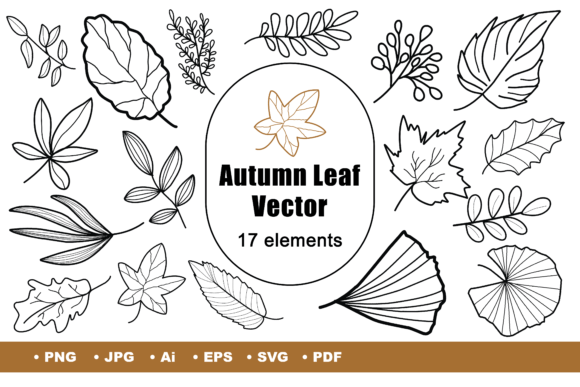
For holiday gift tags or wedding invitations, the design works well in black and white. The structure of the leaves remains clear, and the negative space highlights the elegance of the form. I also noticed that when placed on a textured tea towel, the design held up nicely as long as the fabric was pre-washed and stabilized properly.
Customer Reactions and Brand Value
In my experience, customers respond positively to designs that feel authentic and seasonally appropriate. The Autumn Forest Leaf Illustration has that kind of quiet beauty that makes people pause and say, “That looks really thoughtful.” It’s not just about the visual—it’s about the story the design tells.
Used in a personalized gift context, such as an embroidered mug or scrapbook page, the design adds a layer of warmth and creativity. For Etsy sellers and small shop product creators, this kind of emotional connection is key to standing out in a crowded market.
From a craft business perspective, the design contributes to professionalism and recognition. When used consistently across product lines—like on tote bags, aprons, and greeting cards—it helps reinforce brand identity and increases the perceived value of each item.
Giftability and Seasonal Appeal
Autumn-themed embroidery tends to sell well around the holidays, and this illustration is no exception. It works particularly well for nursery decor or holiday gifts when paired with soft, muted tones. I’ve seen it added to blankets and baby clothes as a gentle, nature-inspired motif that parents love for its subtlety and charm.
As a commercial embroidery asset, it offers flexibility without sacrificing quality. It can serve as a standalone feature or a supporting element in a larger composition. Just make sure it aligns with your brand voice—this design leans towards cozy and artistic, so it fits best with brands that reflect those values.
Final Thoughts for Embroidery Creators
Overall, the Autumn Forest Leaf Illustration is a strong addition to any embroidery designer’s collection. It brings a sense of craftsmanship and care to every project it touches. But like all good design tools, it requires attention to detail and understanding of your materials.
Whether you're an embroidery project enthusiast or a seasoned apparel decorator, this illustration has potential in many contexts. Just remember to test it thoroughly, consider your fabric choices carefully, and match it with the right audience. And above all, always check the licensing terms before selling anything based on it—you wouldn’t want to compromise your handmade shop reputation later.
With the right approach, the Autumn Forest Leaf Illustration can become a signature part of your creative offerings, helping you stand out in the world of digital product sellers and craft fair artisans. It’s not just a design—it’s a statement of style and seasonality, ready to be stitched into your next favorite project.